Security is no longer just about locking doors and reacting when something goes wrong.
For many businesses, venues and public-facing sites, the focus is shifting toward being better prepared, reducing vulnerability, and having clear plans in place to protect people if the worst happens.
That is where Martyn’s Law comes in.
Now formally known as the Terrorism (Protection of Premises) Act 2025, Martyn’s Law is designed to improve public protection by requiring certain premises and events to think more clearly about security and preparedness in the event of a terrorist attack.
What is Martyn's Law?
Martyn’s Law was introduced to strengthen security and preparedness at certain public premises and events across the UK. It is named in honour of Martyn Hett, who was killed in the Manchester Arena attack in 2017. The law is intended to make sure those responsible for premises and qualifying events consider the risks and put proportionate measures in place to help protect the public.
In simple terms, it is about making sure organisations are not caught off guard.
It pushes businesses and venue operators to think ahead, prepare properly, and make sure people know what to do if an attack happens.
Who does Martyn's Law affect?
The Act applies to certain public premises and events. Guidance currently explains that there are standard tier and enhanced tier requirements, depending on the number of people reasonably expected to be present at the same time. Standard tier applies from 200 to 799 people, while enhanced tier applies to larger premises and qualifying events with 800 or more people expected at once.
That means the law may be relevant to a wide range of locations, including venues, event spaces, public-facing buildings, and operational sites where there is regular public access. Exact scope depends on the premises, the event, and who the responsible person is under the Act.
What does the law require?
At its core, Martyn’s Law is about being prepared.
For standard tier premises, the focus is on notifying the regulator and making sure appropriate public protection procedures are in place, so far as reasonably practicable. These procedures are aimed at helping people respond in a way that could save lives and reduce harm.
For enhanced tier premises and qualifying events, there are additional requirements. These include the same core duties as standard tier, but with a greater focus on security planning and measures to reduce vulnerability to terrorist attack.
This is not about creating panic. It is about making sure sites and events have thought through the basics properly:
- who is responsible
- what the risks are
- how people are protected
- what staff should do in an emergency
- how the site can reduce vulnerability
Why Martyn's Law matters
For many organisations, the biggest issue is not a lack of concern. It is a lack of time, structure or confidence around what good security preparation should actually look like.
Sites are busy. Managers are already balancing health and safety, operations, staffing, contractors, visitors and compliance. Security planning can easily become reactive.
Martyn’s Law changes that.
It raises the standard by making preparedness part of responsible site management, not something left until after an incident. The practical impact is wider than legal compliance alone. It encourages businesses to improve awareness, strengthen procedures, reduce confusion and take public protection more seriously. That is exactly where good security support adds value. This is an inference from the Act’s stated aims and guidance.
The impact on security
Martyn’s Law will push many organisations to look more closely at how security is managed day to day.
That includes questions like:
- Is access to the site properly controlled?
- Are there gaps in visibility?
- Are vulnerable areas being monitored?
- Are staff clear on emergency procedures?
- Is there a reliable response plan in place?
- Are security measures proportionate to the site and the level of risk?
For some businesses, that may mean reviewing procedures.
For others, it may mean introducing stronger physical security, better monitoring, clearer incident response planning, or more visible security support on site.
How DaySecure supports clients
At DaySecure, we understand that security is not just about having people or systems in place. It is about making sure the site is safer, the risks are lower, and the client has confidence that the right measures are being followed.
We support clients by helping them take a practical, joined-up approach to site security. Depending on the environment and level of risk, that can include:
Manned guarding
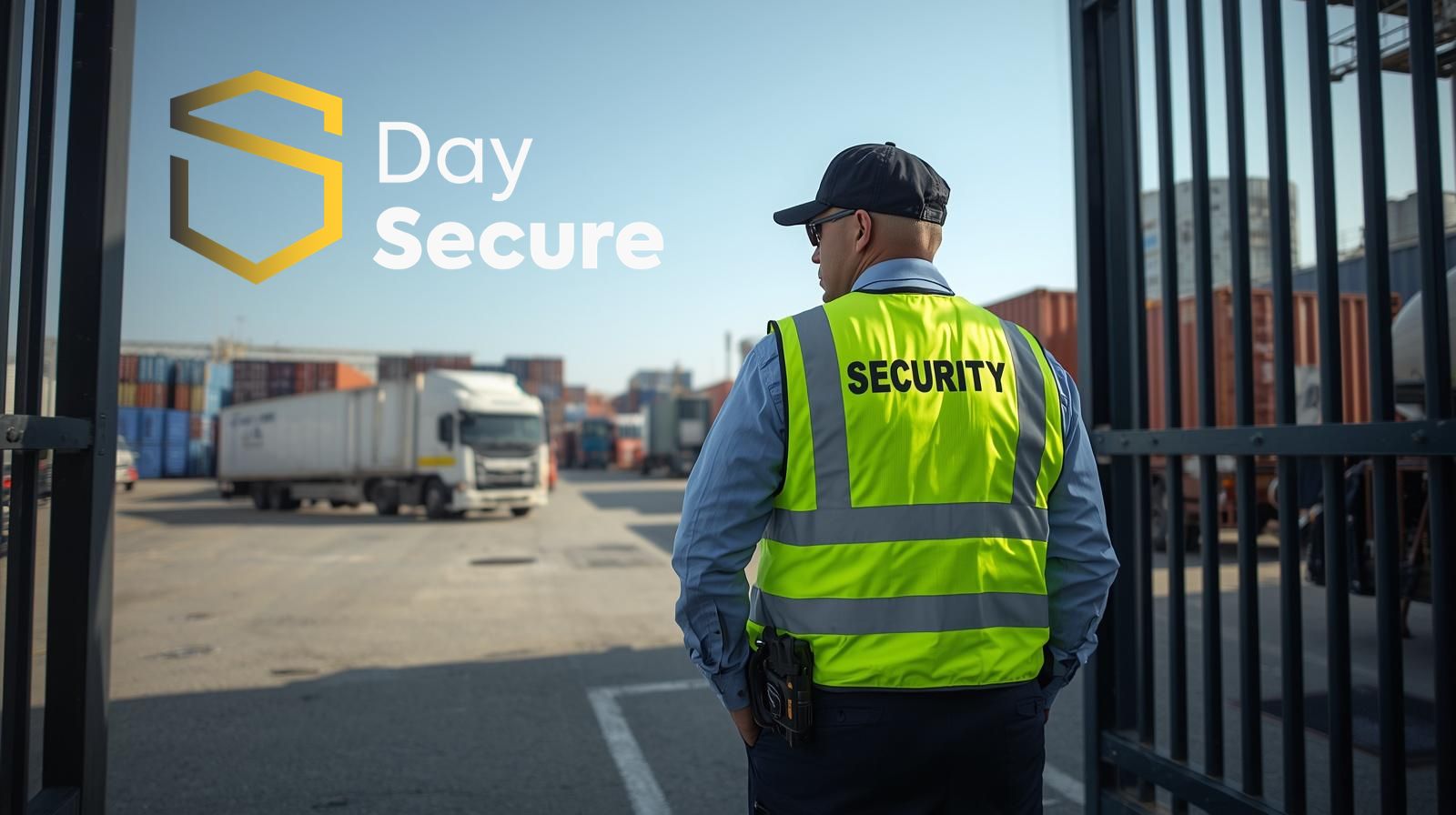
A professional on-site presence helps control access, deter unwanted behaviour, support site procedures and respond quickly when issues arise.
Mobile patrols
Regular or random patrols help maintain visibility, protect vulnerable areas and provide reassurance across larger or multi-site operations.
Keyholding and alarm response
Out-of-hours incidents need a reliable response. Keyholding and alarm response help businesses deal with activations and emergencies without placing that pressure on internal staff.
CCTV systems
Good CCTV improves visibility, supports investigations, helps monitor key areas and strengthens deterrence. It also helps sites keep better control over what is happening in real time or after an incident.
Event and site security
For locations with higher footfall, changing site conditions or public-facing risk, professional event and site security measures help improve control, preparedness and response.
How DaySecure aligns with Martyn's Law
Martyn’s Law is about preparedness, proportionate measures and protecting people.
That aligns closely with how we approach security at DaySecure.
We help clients:
- improve control over who can access their site
- increase visibility across vulnerable areas
- strengthen deterrence
- support emergency planning and response
- reduce pressure on site teams and managers
- build a more reliable security presence around real site risks
The exact legal duties under Martyn’s Law depend on whether a premises or event is in scope and what tier applies. But in practical terms, the direction is clear: businesses need to be more prepared, more structured and more deliberate about security. Official guidance says further detail will continue to be provided as implementation progresses.
Preparing now makes sense
Although businesses do not need to comply immediately, the implementation period is expected to be at least 24 months from Royal Assent. That gives organisations time to review their sites, understand the law, and start improving procedures and protective measures now rather than waiting until the last minute.
For many businesses, the best place to start is simple:
- understand whether your site or event may fall within scope
- review your current security setup
- identify gaps in visibility, control and response
- make sure your procedures are clear and practical
- work with a security partner who can help reduce risk in the real world
Talk to DaySecure Today
If you are reviewing your site security in light of Martyn’s Law, DaySecure can help you take a practical approach.
We work with businesses that need reliable, joined-up security support to protect people, assets and operations. Whether you need manned guarding, mobile patrols, CCTV, alarm response or wider site security support, we help you put the right measures in place so you can stay in control.
Get in touch with DaySecure to discuss your site and how we can support your security planning.